
If you’re dealing with damaged pipes, recurring blockages, or tree root intrusion, you’ve probably come across pipe relining as a solution.
But is pipe relining actually worth it?
For many Sydney homeowners, pipe relining has become a preferred alternative to traditional pipe replacement — offering a faster, less invasive, and long-lasting solution.
In this guide, we’ll break down how pipe relining works, its pros and cons, costs, and whether it’s the right option for your property.
What Is Pipe Relining?
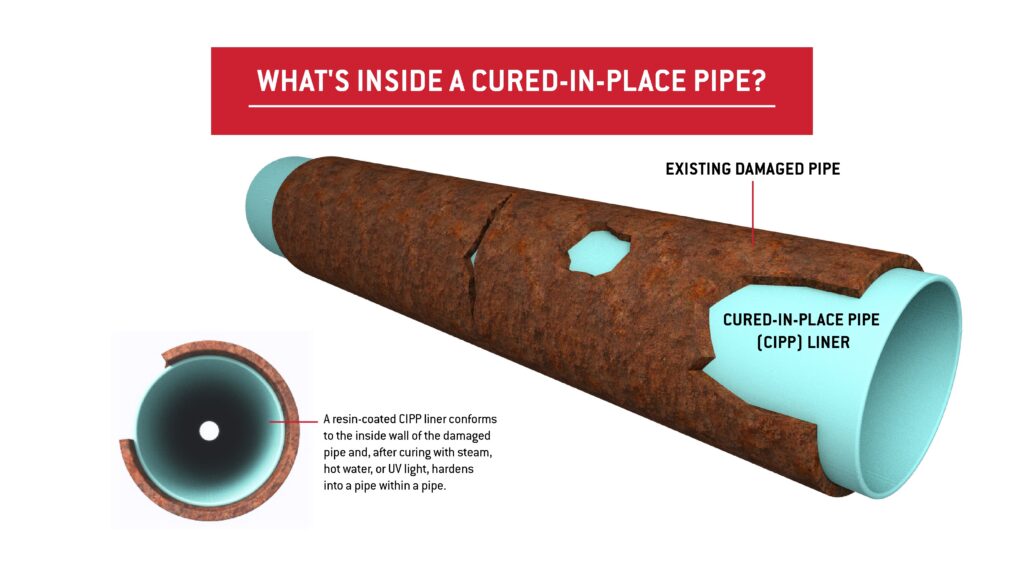
Pipe relining is a trenchless pipe repair method that fixes damaged pipes from the inside — without the need for excavation.
Instead of digging up and replacing pipes, plumbers insert a flexible liner coated with resin into the existing pipe. This liner is then inflated and cured, forming a new, durable pipe within the old one.
The result is a strong, seamless internal pipe that restores flow and prevents future damage.
When Is Pipe Relining Used?
Pipe relining is commonly used to repair:
- Cracked or broken pipes
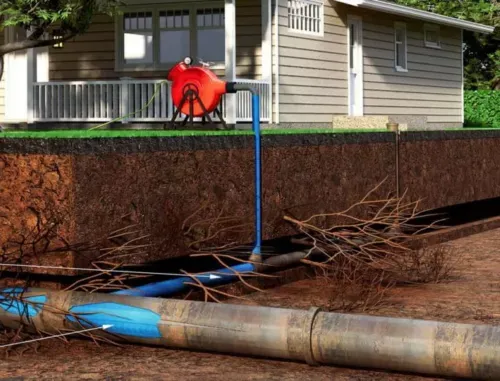
- Tree root intrusion
- Corroded pipes
- Leaking joints
- Recurring drain blockages
It’s especially effective for underground pipes where excavation would be costly or disruptive.
How the Pipe Relining Process Works
Step 1: Pipe Inspection
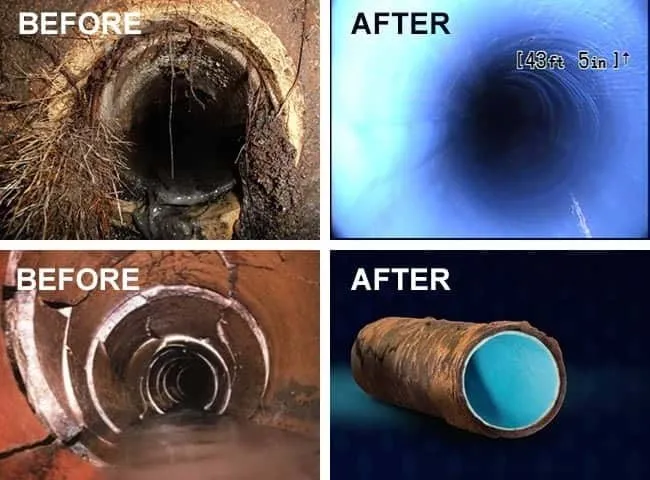
A CCTV camera is used to inspect the pipe and identify the location and severity of the damage.
Step 2: Pipe Cleaning
The pipe is cleaned using high-pressure water jetting to remove debris, roots, and buildup.
Step 3: Liner Installation
A resin-coated liner is inserted into the pipe and positioned over the damaged section.
Step 4: Curing
The liner is inflated and cured (hardened), creating a new internal pipe structure.
Step 5: Final Inspection
A final camera inspection ensures the repair is successful and the pipe is fully restored.
The Benefits of Pipe Relining
No Excavation Required
One of the biggest advantages is that there’s no need to dig up your yard, driveway, or flooring.
Long-Lasting Solution
Relined pipes are designed to last for decades — often 50 years or more.
Cost-Effective in the Long Run
While the upfront cost may be higher than basic repairs, it eliminates the need for excavation and reduces future issues.
Faster Repairs
Most pipe relining jobs can be completed within a day, depending on the complexity.
Improved Pipe Strength
The new internal lining is resistant to:
- Corrosion
- Tree roots
- Cracks
If you’re considering this solution, our team provides professional pipe relining services in Sydney tailored to your property.
The Downsides of Pipe Relining
While pipe relining offers many benefits, it’s not always the right solution.
Higher Upfront Cost
Relining can be more expensive than simple drain cleaning or minor repairs.
Not Suitable for Completely Collapsed Pipes
If a pipe has fully collapsed, replacement may be required instead.
Requires Specialist Equipment
Pipe relining must be carried out by experienced professionals using specialised tools.
How Much Does Pipe Relining Cost?
The cost of pipe relining varies depending on several factors:
- Length of the pipe
- Severity of the damage
- Accessibility
- Number of sections requiring repair
While prices can vary, pipe relining is often more cost-effective than excavation when you consider:
- Labour costs
- Property restoration
- Landscaping repairs
Pipe Relining vs Traditional Pipe Replacement
Pipe Relining
- No digging required
- Faster completion
- Long lifespan
- Minimal disruption
Pipe Replacement
- Requires excavation
- More disruptive
- Longer completion time
- May be necessary for severe damage
Is Pipe Relining Worth It?
In many cases, yes — pipe relining is worth it, especially if:
- Your pipes are damaged but still structurally intact
- You want to avoid excavation
- You’re dealing with recurring blockages
- Tree roots are causing ongoing issues
However, the best way to determine if it’s suitable is through a professional inspection.
Signs You Might Need Pipe Relining
You may benefit from pipe relining if you experience:
- Frequent drain blockages
- Slow drainage across multiple fixtures
- Persistent bad odours
- Evidence of tree root intrusion
- Cracked or leaking pipes
If these issues sound familiar, it may be time to look beyond simple cleaning.
Our team also offers expert blocked drain services to diagnose whether cleaning or relining is the right solution.
How Pipe Relining Prevents Future Problems
Unlike temporary fixes, pipe relining addresses the root cause of the issue.
It helps prevent:
- Future leaks
- Tree root intrusion
- Pipe corrosion
- Recurring blockages
For homeowners dealing with ongoing plumbing issues, this makes it a highly effective long-term solution.
The Role of Maintenance After Relining
While relined pipes are highly durable, regular maintenance is still important.
Routine inspections help ensure your plumbing system continues to function properly.
Our team provides ongoing plumbing maintenance services to keep your system in top condition.
Why Pipe Relining Is Popular in Sydney
Sydney homes are particularly suited to pipe relining due to:
- Older underground pipe systems
- Tree-lined suburbs causing root intrusion
- High excavation costs in urban areas
These factors make trenchless solutions like pipe relining especially valuable.
FAQs
How long does pipe relining last?
Pipe relining can last 50 years or more when installed professionally.
Is pipe relining better than replacement?
It depends on the condition of the pipe. Relining is ideal for repairing damage without excavation, but severely collapsed pipes may require replacement.
Can tree roots come back after relining?
No. The new lining seals the pipe, preventing roots from entering again.
Is pipe relining disruptive?
No. It’s a non-invasive process that avoids digging and minimises disruption to your property.
Final Thoughts
Pipe relining is one of the most advanced plumbing solutions available today — offering a durable, efficient, and non-invasive way to repair damaged pipes.
While it may not be suitable in every situation, it’s often the best long-term solution for recurring pipe issues.
If you’re dealing with ongoing drainage problems or suspect pipe damage, a professional inspection can help determine whether pipe relining is the right choice for your home.