Burst pipes are one of the most serious plumbing issues a homeowner can face. Unlike slow leaks or minor blockages, a burst pipe can release large volumes of water in a short amount of time — leading to flooding, property damage, and costly repairs.
For Sydney homeowners, burst pipes can occur unexpectedly due to ageing infrastructure, environmental factors, or underlying plumbing issues.
In this guide, we’ll explain the most common causes of burst pipes and what you can do to prevent them.
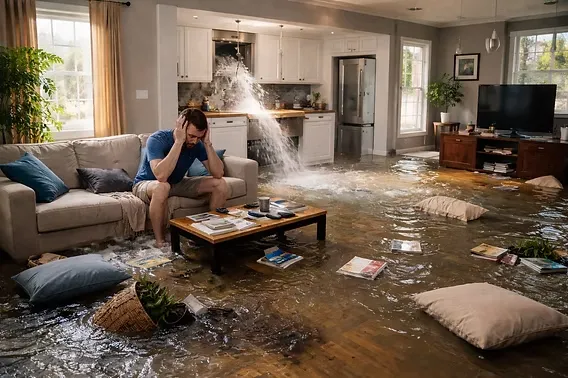
Why Burst Pipes Are a Major Problem
When a pipe bursts, the damage can be immediate and severe.
Common consequences include:
- Flooding inside the home
- Damage to walls, flooring, and ceilings
- Electrical hazards
- Mould growth
- Structural weakening
Because of this, understanding the causes — and prevention — is critical.
The Most Common Causes of Burst Pipes
1. Ageing and Deteriorating Pipes
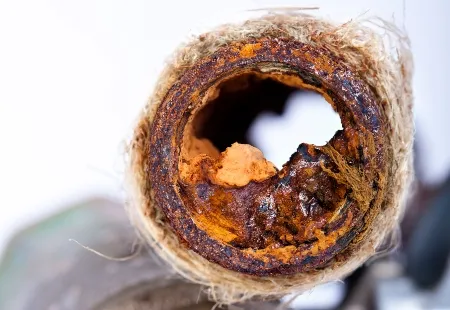
Over time, pipes naturally weaken.
Older materials such as galvanised steel or ageing copper can corrode, rust, and lose structural integrity. Eventually, the pipe can no longer withstand pressure and bursts.
Homes in older Sydney suburbs are particularly at risk.
2. High Water Pressure
While strong water pressure may feel great in the shower, excessive pressure can put serious strain on your plumbing system.
Over time, this stress can weaken pipe joints and walls, increasing the risk of a sudden burst.
3. Corrosion Inside Pipes
Corrosion occurs when minerals and chemicals in water react with pipe materials.
This gradually weakens the pipe from the inside out, making it more likely to crack or burst under pressure.
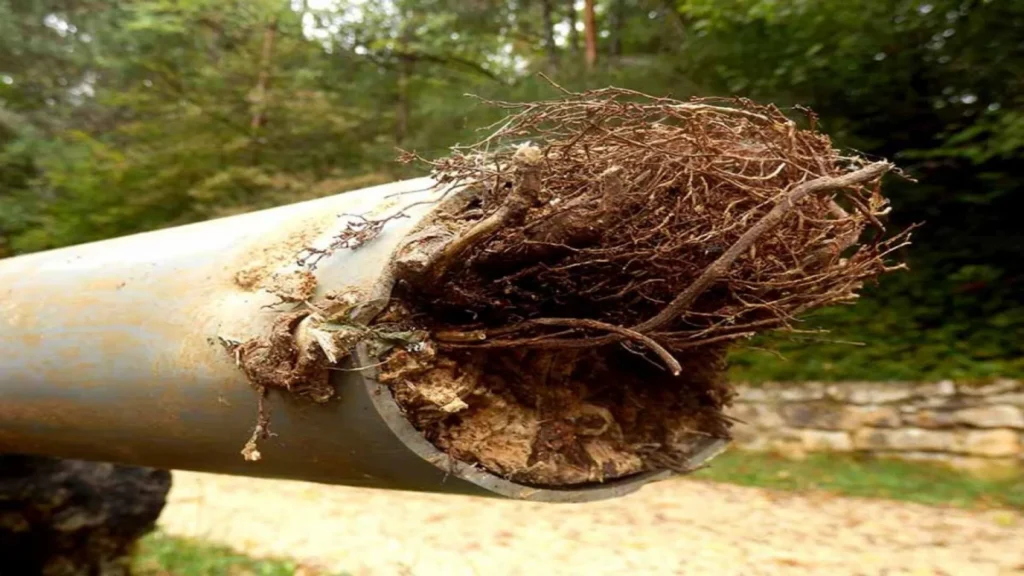
4. Tree Root Intrusion
Tree roots are a major cause of underground pipe damage.
Roots are naturally drawn to moisture and can infiltrate even the smallest cracks in pipes. As they grow, they expand and place pressure on the pipe, eventually causing it to rupture.
5. Blockages and Pressure Build-Up
Severe blockages can create pressure inside pipes.
When water cannot flow freely, pressure builds behind the obstruction. If this pressure becomes too great, it can cause the pipe to burst.
6. Poor Installation or Workmanship
Pipes that have been incorrectly installed or repaired are more likely to fail.
Common issues include:
- Weak joints
- Incorrect pipe sizing
- Poor sealing
These faults may not show immediately but can lead to problems over time.
7. Ground Movement and External Pressure
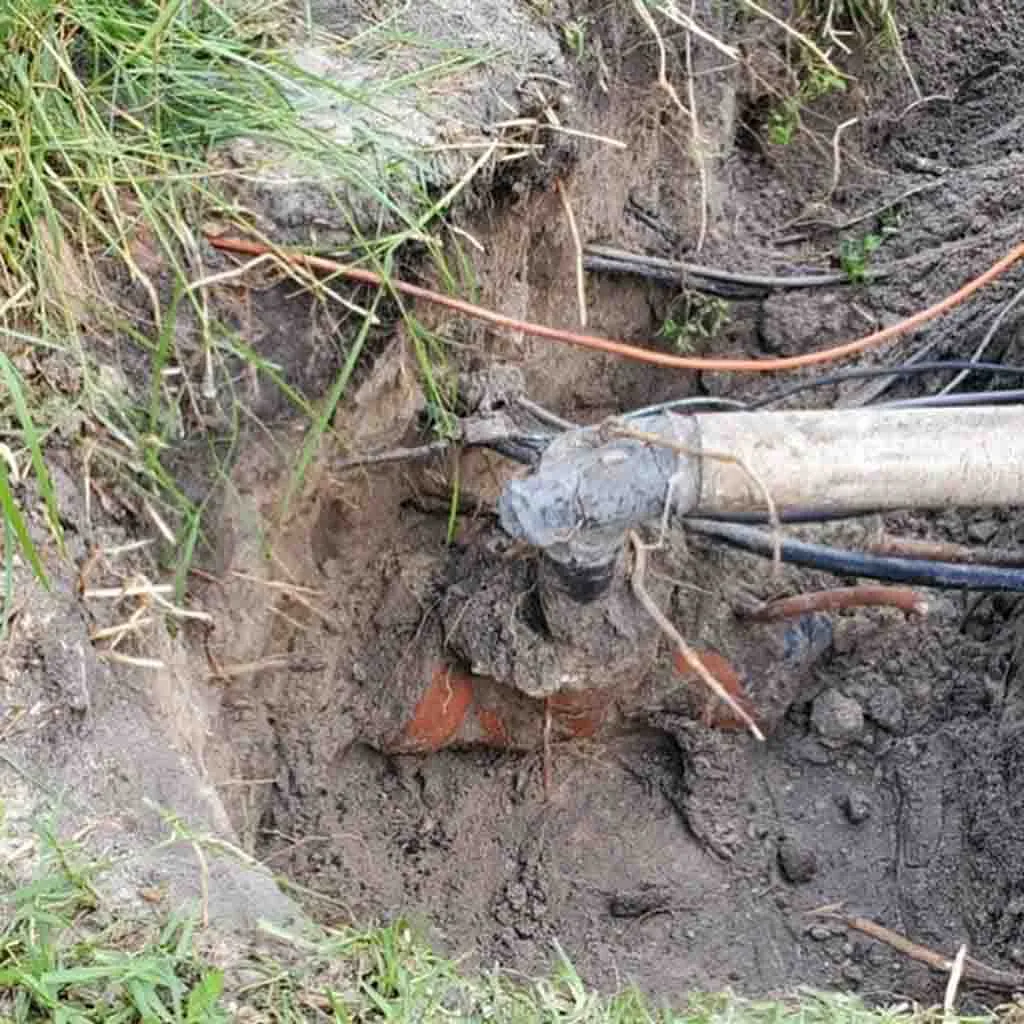
Shifting soil, construction work, or heavy loads above underground pipes can cause stress and movement.
This can result in cracks, misalignment, or complete pipe failure.
Early Warning Signs of a Burst Pipe
While some pipe bursts happen suddenly, others show warning signs beforehand.
Look out for:
- Fluctuating or reduced water pressure
- Strange noises in pipes (banging or hissing)
- Discoloured water
- Damp patches on walls or floors
- Unexplained increase in water bills
If you notice these signs, it’s important to act quickly.
What to Do If a Pipe Bursts
A burst pipe requires immediate action to minimise damage.
Step 1: Turn Off the Water Supply
Locate your main water shut-off valve and turn it off immediately.
Step 2: Drain the System
Turn on taps to release any remaining water in the pipes.
Step 3: Turn Off Electricity (If Needed)
If water is near electrical outlets or appliances, switch off power at the mains.
Step 4: Call a Professional Plumber
Burst pipes require urgent repair by experienced professionals.
Our team provides fast and reliable burst pipe repair services in Sydney to minimise damage and restore your plumbing system.
How to Prevent Burst Pipes
Preventative maintenance is the most effective way to avoid pipe failures.
Schedule Regular Plumbing Inspections
Routine inspections can identify early signs of:
- Corrosion
- Weak pipe sections
- Pressure issues
Our expert team offers comprehensive plumbing maintenance services to help prevent major problems before they occur.
Monitor and Control Water Pressure
Installing a pressure regulator can help maintain safe water pressure levels and reduce stress on your pipes.
Replace Old or Damaged Pipes
If your home has ageing pipes, replacing them can prevent future failures.
Clear Blockages Early
Don’t ignore slow drains or recurring clogs. Addressing blockages early prevents pressure build-up inside pipes.
Manage Tree Growth Near Pipes
If you have large trees near your property, regular inspections can help detect root intrusion before it causes serious damage.
Long-Term Solutions for Damaged Pipes
If your pipes are already compromised, temporary fixes may not be enough.
Long-term solutions include:
- Pipe replacement
- Targeted pipe repairs
- Trenchless pipe relining
Pipe relining is a modern method that repairs pipes internally without excavation. It strengthens the pipe structure and prevents future leaks or bursts.
Learn more about this solution through our pipe relining services.
Why Burst Pipes Are Common in Sydney Homes
Several factors make Sydney properties more susceptible to pipe damage:
- Older plumbing systems in established suburbs
- Tree-lined streets with aggressive root systems
- Soil movement due to weather and construction
These conditions increase the importance of preventative plumbing care.
FAQs
What is the most common cause of burst pipes?
The most common causes are ageing pipes, high water pressure, and corrosion.
Can a blocked pipe cause a burst?
Yes. Severe blockages can create pressure inside pipes, which may lead to a burst.
How do I prevent pipes from bursting?
Regular inspections, controlling water pressure, and replacing old pipes can significantly reduce the risk.
Is a burst pipe an emergency?
Yes. A burst pipe can cause significant damage and should be repaired immediately.
Final Thoughts
Burst pipes can cause serious damage — but in many cases, they’re preventable.
By understanding the causes and taking proactive steps, you can protect your home, reduce repair costs, and maintain a reliable plumbing system.
If you suspect a problem, acting early is always the best approach.