
Blocked drains are one of the most common plumbing issues faced by homeowners in Sydney. While a blocked drain might seem like a minor inconvenience at first, it can quickly escalate into a serious plumbing problem if left untreated.
The good news is that most drain blockages are preventable. With the right habits and regular maintenance, you can significantly reduce the risk of clogged pipes, slow drainage, and costly repairs.
In this guide, we’ll walk you through the most common causes of blocked drains and provide practical steps you can take to prevent them.
What Causes Blocked Drains?
Understanding what causes drain blockages is the first step in preventing them.
1. Grease, Oil and Food Waste
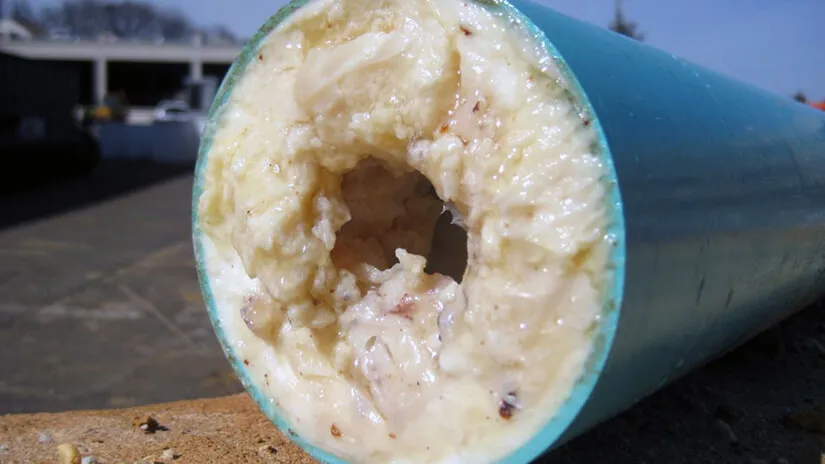
One of the biggest culprits of kitchen drain blockages is grease. When hot oil or fat is poured down the sink, it may seem harmless — but as it cools, it solidifies inside your pipes.
Over time, this creates a sticky buildup that traps food particles and leads to a complete blockage.
2. Hair and Soap Residue
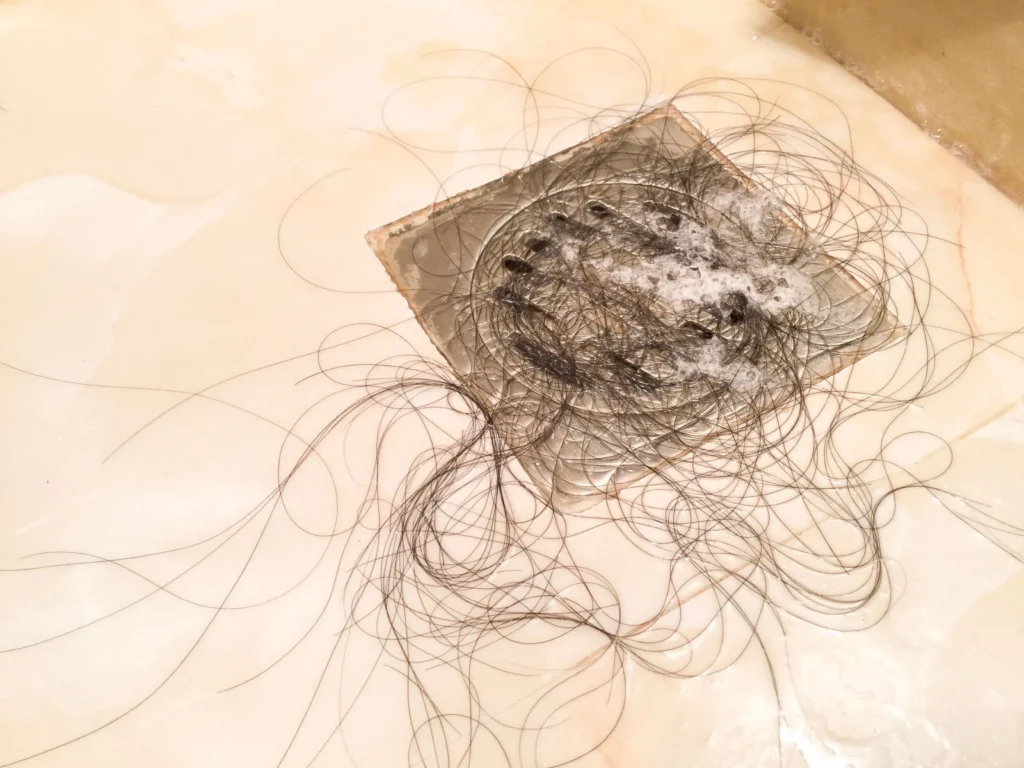
In bathrooms, hair and soap scum are the primary causes of blocked drains. Hair binds with soap residue and forms clumps that restrict water flow.
This is especially common in shower and basin drains.
3. Foreign Objects
Items such as wipes, paper towels, sanitary products, and even excessive toilet paper can block your pipes. Despite being labelled “flushable,” many products do not break down properly in plumbing systems.
4. Tree Roots in Pipes
For external drains and sewer lines, tree roots are a major issue. Roots naturally seek moisture and can infiltrate small cracks in underground pipes, eventually causing severe blockages.
Simple Ways to Prevent Blocked Drains
Preventing blocked drains doesn’t require major effort — just a few consistent habits.
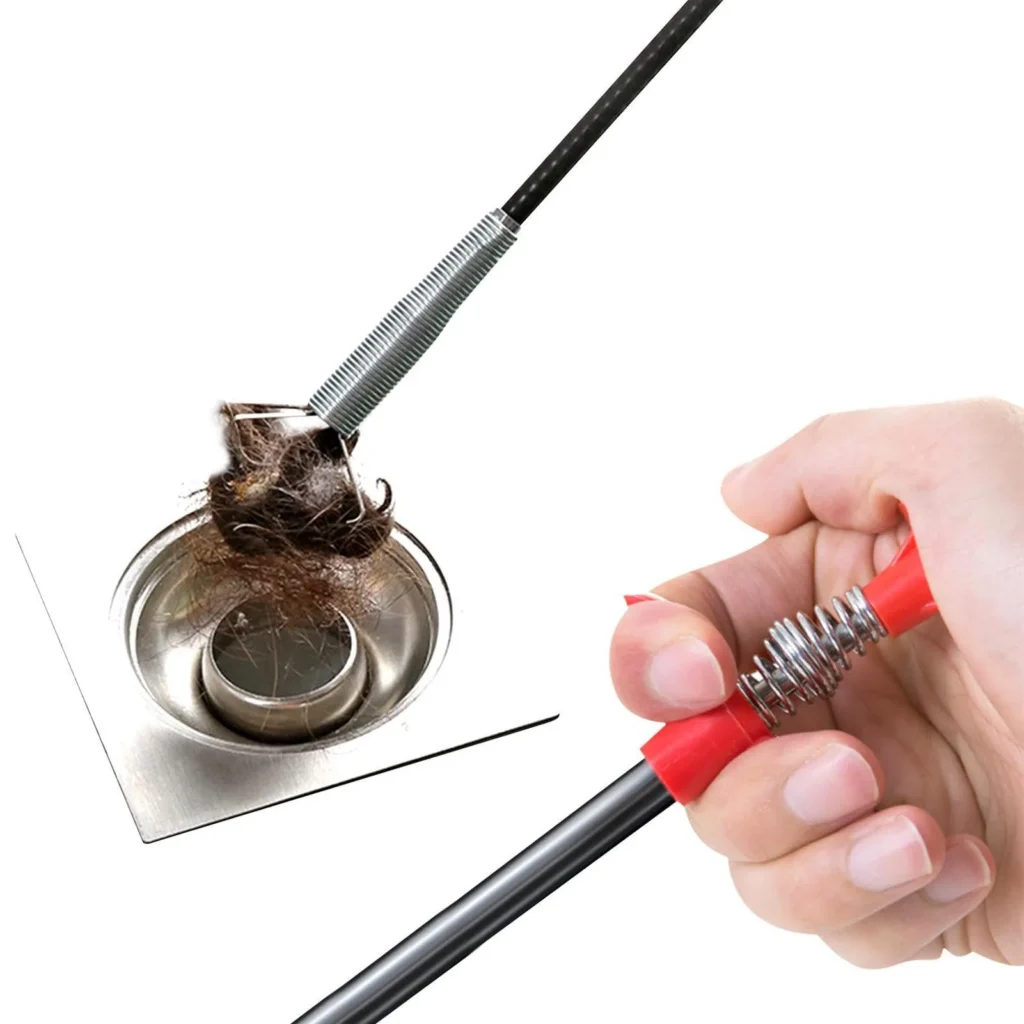
Use Drain Strainers
Installing a drain strainer is one of the easiest and most effective ways to stop debris from entering your pipes.
Use them in:
- Kitchen sinks
- Shower drains
- Bathroom basins
Never Pour Grease Down the Sink
Instead of pouring oils and fats down the drain:
- Let them cool
- Dispose of them in a container
- Throw them in the bin
This simple habit can dramatically reduce the risk of kitchen blockages.
Be Careful What You Flush
Toilets are designed to handle only three things:
- Human waste
- Toilet paper
- Water
Avoid flushing wipes, tissues, or hygiene products, even if they claim to be flushable.
Run Hot Water Regularly
Running hot water through your drains helps dissolve minor grease buildup and keeps pipes flowing freely.
For best results, do this after washing dishes or using the sink heavily.
Clean Drains Monthly
A simple monthly clean can help prevent buildup.
You can use:
- Boiling water
- Mild natural cleaners
- Enzyme-based drain cleaners
Avoid harsh chemical cleaners, as they can damage your pipes over time.
Early Warning Signs of a Blocked Drain
Catching a blockage early can save you from a major plumbing issue.
Watch out for:
- Slow draining sinks or showers
- Gurgling sounds from pipes
- Unpleasant odours from drains
- Water backing up in sinks or toilets
If you notice any of these signs, it’s best to act quickly before the problem worsens.
When to Call a Professional Plumber
While prevention goes a long way, some blockages require professional equipment and expertise.
You should contact a plumber if:
- Drains are repeatedly blocking
- Multiple fixtures are affected
- Water is backing up
- DIY methods aren’t working
Professional plumbers use tools such as drain cameras and high-pressure jetting to properly clear and diagnose blockages.
If you’re dealing with a persistent issue, our team provides fast and reliable
blocked drain services in Sydney to restore your plumbing system.
The Role of Preventative Plumbing Maintenance
Regular plumbing maintenance is one of the most effective ways to prevent blocked drains long-term.
Routine inspections can identify early signs of:
- Pipe damage
- Tree root intrusion
- Gradual buildup inside pipes
By addressing these issues early, you can avoid costly repairs and emergency callouts.
Our expert plumbers offer comprehensive plumbing maintenance services to keep your system running smoothly year-round.
How Sydney Homes Are More Prone to Blocked Drains
Many homes in Sydney face unique plumbing challenges due to:
- Ageing pipe infrastructure
- Tree-lined streets and root intrusion
- High household water usage
Because of this, preventative care is even more important for local homeowners.
Long-Term Solutions for Recurring Drain Issues
If you experience frequent blockages, there may be a deeper issue within your pipes.
In these cases, solutions may include:
- Professional drain cleaning
- Pipe repairs
- Trenchless pipe relining
Pipe relining is a modern solution that repairs damaged pipes without excavation. Learn more about this long-term fix through our pipe relining services.
FAQs
How do I stop my drains from clogging?
To prevent clogged drains, avoid pouring grease down the sink, use drain strainers, and clean your drains regularly.
What is the most common cause of blocked drains?
The most common causes are grease buildup in kitchens and hair accumulation in bathrooms.
Are chemical drain cleaners safe?
Frequent use of chemical cleaners can damage pipes. It’s better to use natural cleaning methods or professional services.
When should I call a plumber for a blocked drain?
You should call a plumber if the blockage persists, worsens, or affects multiple drains.
Final Thoughts
Blocked drains are frustrating — but in most cases, they’re preventable.
By adopting a few simple habits and staying proactive with maintenance, you can avoid costly plumbing issues and keep your system running efficiently.
And if you do run into trouble, professional help is always available to get things flowing again.