
Your plumbing system is one of the most important — and most overlooked — parts of your home. While most homeowners only call a plumber when something goes wrong, regular servicing is essential to keep everything running efficiently and avoid costly repairs.
So how often should you actually service your plumbing system?
In this guide, we’ll break down recommended maintenance schedules, what’s involved in a plumbing inspection, and why preventative maintenance can save you thousands over time.
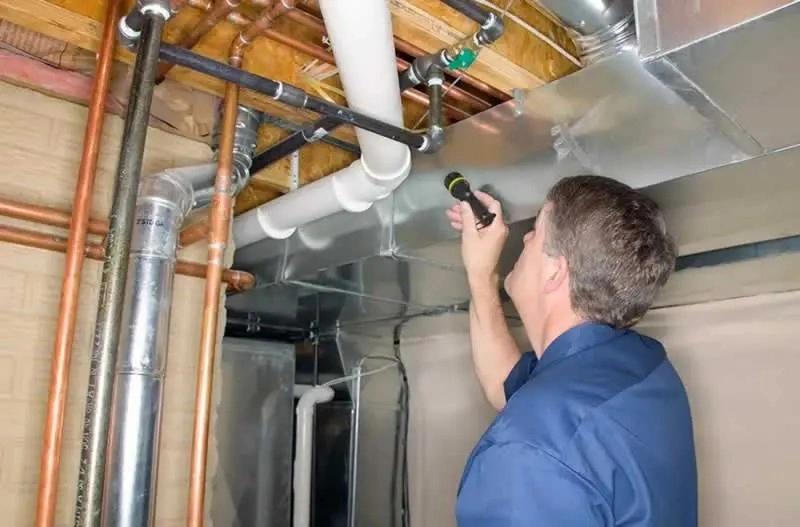
Why Plumbing Maintenance Matters
Your plumbing system works every day, often without you thinking about it. Over time, wear and tear can lead to:
- Pipe corrosion
- Small leaks
- Blockages forming inside drains
- Reduced water pressure
- Fixture deterioration
Without regular maintenance, these small issues can develop into major plumbing problems.
Routine servicing helps detect and fix issues early — before they become expensive emergencies.
How Often Should Plumbing Be Serviced?
Annual Plumbing Inspection (Recommended)
For most homes, a full plumbing inspection once per year is the ideal baseline.
An annual service helps:
- Identify early signs of leaks
- Check pipe condition
- Test water pressure
- Inspect drainage systems
- Ensure fixtures are functioning correctly
This is the most effective way to maintain a healthy plumbing system.
High-Usage Homes: Every 6–12 Months
If your household has:
- Multiple bathrooms
- High water usage
- Older plumbing systems
You may benefit from more frequent inspections (every 6–12 months).
Older Homes: Every 6 Months
Homes with ageing pipes or outdated plumbing systems should be checked more frequently.
Older pipes are more prone to:
- Corrosion
- Cracking
- Leaks
Regular inspections help prevent sudden failures.
Commercial Properties: More Frequent Servicing
Commercial properties often require more frequent maintenance due to higher demand on plumbing systems.
What’s Included in a Plumbing Service?
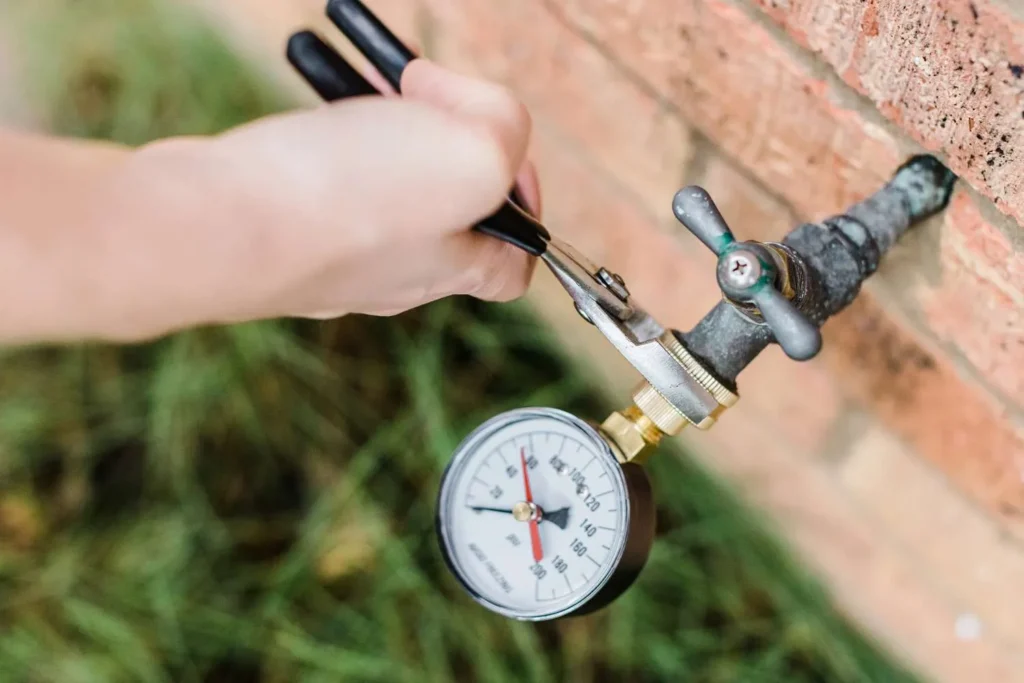
A professional plumbing service goes far beyond a quick visual check.
Pipe Inspection
Plumbers assess the condition of your pipes, looking for:
- Corrosion
- Weak joints
- Early signs of leaks
Leak Detection
Hidden leaks are one of the biggest causes of long-term damage.
Professional plumbers use specialised equipment to detect leaks behind walls, under floors, and underground.
Drain Inspection and Cleaning
Drains are checked for:
- Partial blockages
- Slow drainage
- Build-up inside pipes
Preventative cleaning can help avoid future clogs.
Water Pressure Testing
Water pressure is tested to ensure it is within a safe range.
Excessive pressure can damage pipes over time, while low pressure may indicate underlying issues.
Fixture and Tap Checks
Taps, toilets, and other fixtures are inspected for:
- Leaks
- Wear and tear
- Faulty components
Signs Your Plumbing System Needs Immediate Servicing
Even if you’re not due for a scheduled inspection, certain warning signs indicate your plumbing system needs attention.
1. Slow Drains
If water is draining slowly, it may indicate a developing blockage.
2. Unusual Noises
Banging, gurgling, or whistling sounds in pipes can signal pressure issues or blockages.
3. Water Discolouration
Brown or discoloured water may indicate corrosion inside your pipes.
4. Low Water Pressure
A sudden drop in pressure could be caused by leaks or blockages.
5. Unexplained Increase in Water Bills
A higher-than-normal water bill often points to hidden leaks.
If you notice any of these issues, it’s best to arrange a professional inspection as soon as possible.
The Cost of Skipping Plumbing Maintenance
Many homeowners delay maintenance to save money — but this often leads to higher costs in the long run.
Without regular servicing, minor issues can escalate into:
- Burst pipes
- Major leaks
- Severe drain blockages
- Structural water damage
Emergency repairs are typically far more expensive than preventative maintenance.
Benefits of Regular Plumbing Maintenance
Investing in routine servicing provides several long-term benefits.
Prevents Costly Repairs
Early detection reduces the likelihood of major plumbing failures.
Extends the Life of Your Plumbing System
Regular maintenance helps your pipes and fixtures last longer.
Improves Water Efficiency
Fixing leaks and inefficiencies can reduce water usage and lower your bills.
Maintains Consistent Water Pressure
Proper system maintenance ensures reliable performance.
Reduces Emergency Callouts
Preventative care significantly lowers the risk of unexpected plumbing emergencies.
Professional Maintenance vs DIY
While there are some basic maintenance tasks homeowners can perform, professional servicing offers a much deeper level of inspection.
DIY maintenance can include:
- Cleaning drains
- Checking for visible leaks
- Monitoring water pressure
However, professional plumbers have access to specialised tools and expertise that allow them to detect hidden problems.
For a thorough and reliable service, our team provides expert plumbing maintenance services in Sydney designed to keep your system in peak condition.
How Maintenance Helps Prevent Major Plumbing Issues
Regular servicing doesn’t just maintain your system — it actively prevents serious problems.
Prevents Burst Pipes
Routine inspections can identify weak points in pipes before they fail.
If you’re concerned about pipe damage, learn more about our burst and leaking pipe repair services.
Reduces Drain Blockages
Cleaning and inspecting drains helps prevent severe clogs.
For persistent issues, professional blocked drain services can restore proper flow.
Detects Hidden Leaks Early
Leak detection during maintenance helps avoid long-term structural damage.
Why Plumbing Maintenance Is Essential in Sydney
Sydney homes face unique challenges that make regular plumbing maintenance even more important:
- Older housing infrastructure
- Tree root intrusion into pipes
- Soil movement affecting underground plumbing
These factors increase the risk of hidden issues developing over time.
Creating a Plumbing Maintenance Schedule
To keep your plumbing system in optimal condition:
- Schedule a professional inspection annually
- Monitor your water usage and pressure
- Address small issues immediately
- Keep drains clean and clear
A proactive approach can save you significant time, money, and stress.
FAQs
How often should plumbing be serviced?
Most homes should have a professional plumbing inspection once per year. Older homes may require more frequent servicing.
What does plumbing maintenance include?
It includes pipe inspections, leak detection, drain checks, water pressure testing, and fixture inspections.
Is plumbing maintenance worth it?
Yes. Regular maintenance helps prevent costly repairs and extends the lifespan of your plumbing system.
Can maintenance prevent burst pipes?
Yes. Identifying weak or damaged pipes early can significantly reduce the risk of a burst.
Final Thoughts
Plumbing maintenance isn’t just about fixing problems — it’s about preventing them.
By scheduling regular inspections and addressing issues early, you can avoid costly repairs, extend the life of your plumbing system, and keep your home running smoothly.
If it’s been a while since your last inspection, now is the perfect time to take a proactive approach.