

Water leaks aren’t always obvious. While burst pipes and visible flooding are easy to detect, hidden leaks can go unnoticed for weeks or even months — quietly causing structural damage, mould growth, and rising water bills.
For homeowners in Sydney, hidden water leaks are a common issue, especially in older properties or homes with ageing plumbing systems.
In this guide, we’ll walk you through the most common warning signs of a hidden water leak and what to do if you suspect one.
Why Hidden Leaks Are a Serious Problem
A hidden water leak might seem minor at first, but over time it can lead to:
- Structural damage to walls, floors, and ceilings
- Mould and mildew growth
- Increased water bills
- Damage to electrical systems
- Foundation issues in severe cases
The earlier you identify a leak, the easier (and cheaper) it is to fix.
10 Signs You May Have a Hidden Water Leak
1. Unexplained Increase in Your Water Bill
One of the earliest and most reliable signs of a hidden leak is a sudden spike in your water bill.
If your water usage hasn’t changed but your bill has increased, there’s a good chance water is escaping somewhere in your plumbing system.
2. Damp or Discoloured Walls
Water leaking behind walls often shows up as:
- Damp patches
- Bubbling or peeling paint
- Discolouration or stains
These signs indicate moisture buildup and should never be ignored.
3. Musty or Mouldy Smells
A persistent musty smell is often caused by hidden moisture.
Leaks create the perfect environment for mould growth, even if you can’t see visible water damage.
4. Low Water Pressure
If your taps or shower suddenly lose pressure, it could be due to a leak in your pipes.
Water escaping before it reaches your fixtures reduces overall pressure in the system.
5. Sounds of Running Water
Hearing water running when all taps are turned off is a strong indication of a hidden leak.
Listen for:
- Hissing sounds
- Dripping behind walls
- Running water in pipes
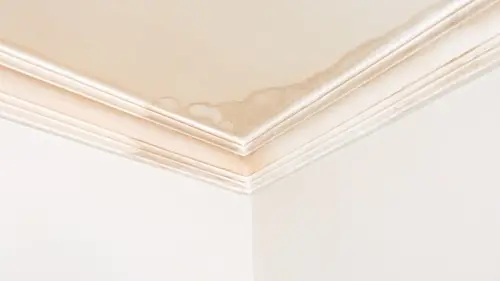
6. Water Stains on Ceilings
Leaks from pipes above ceilings often appear as:
- Yellow or brown stains
- Sagging plaster
- Soft or weakened ceiling areas
These issues require immediate attention.
7. Cracks in Walls or Flooring
Long-term water damage can weaken structural materials, leading to cracks in:
- Walls
- Tiles
- Flooring
This is often a sign of an ongoing, undetected leak.
8. Warm or Wet Spots on Floors
If you notice unexplained warm or damp patches on your floor, especially on concrete or tiled surfaces, it may indicate a pipe leak underneath.
9. Mould Growth
Visible mould is a clear sign of excess moisture.
Even small leaks can lead to mould forming in hidden areas such as:
- Behind cabinets
- Inside walls
- Under flooring
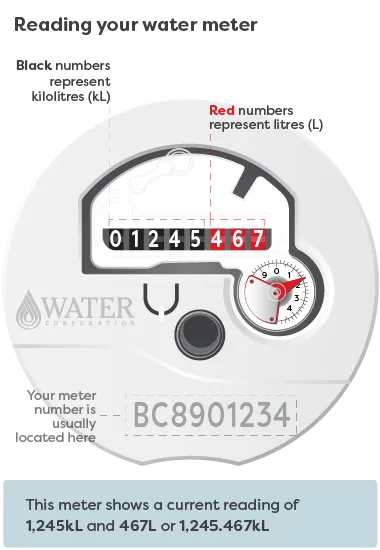
10. Water Meter Continues Running
A simple way to check for leaks:
- Turn off all taps and appliances
- Check your water meter
- Wait 30–60 minutes
- Check again
If the meter has moved, you likely have a hidden leak.
What Causes Hidden Water Leaks?
Hidden leaks can occur for several reasons, including:
- Ageing or corroded pipes
- High water pressure
- Poor plumbing installation
- Tree root intrusion in underground pipes
- Shifting foundations
Regular inspections can help identify these issues early.
How Leak Detection Works
Professional plumbers use specialised tools to locate hidden leaks without damaging your property.
These include:
- Acoustic listening devices
- Thermal imaging cameras
- Pressure testing equipment
- CCTV drain cameras
These methods allow plumbers to pinpoint leaks quickly and accurately.
If you suspect a leak, our team provides expert leak detection services in Sydney to identify the problem before it worsens.
What to Do If You Suspect a Leak
If you notice any of the signs above, take action immediately:
Step 1: Turn Off Your Water Supply
This prevents further damage while you investigate.
Step 2: Check Visible Areas
Look for obvious signs around taps, appliances, and exposed pipes.
Step 3: Call a Professional Plumber
Hidden leaks require professional tools and expertise to locate and repair properly.
Our experienced plumbers offer fast and reliable burst and leaking pipe repairs to fix leaks and restore your plumbing system.
Preventing Hidden Water Leaks
While not all leaks can be avoided, there are steps you can take to reduce the risk.
Schedule Regular Plumbing Inspections
Routine inspections help detect early signs of:
- Pipe wear and corrosion
- Minor leaks
- Pressure issues
Monitor Your Water Pressure
Excessive water pressure can strain your pipes and lead to leaks over time.
Replace Old Pipes
If your home has older plumbing, upgrading pipes can prevent future problems.
Act on Small Issues Early
Even minor leaks can escalate into major damage if ignored.
Why Sydney Homes Are at Higher Risk
Sydney properties are particularly prone to hidden leaks due to:
- Older housing stock in many suburbs
- Tree root intrusion into underground pipes
- Soil movement affecting pipe alignment
This makes regular plumbing maintenance even more important for homeowners.
Long-Term Solutions for Leak-Prone Systems
If your property experiences recurring leaks, it may indicate deeper pipe issues.
Long-term solutions include:
- Pipe replacement
- System upgrades
- Pipe relining for damaged underground pipes
Pipe relining is a non-invasive method that strengthens pipes internally without excavation. Learn more about this solution through our pipe relining services.
FAQs
How do I know if I have a hidden water leak?
Common signs include high water bills, damp walls, mould growth, and reduced water pressure.
Can a small leak cause serious damage?
Yes. Even a small leak can cause structural damage and mould growth over time.
How are hidden leaks detected?
Plumbers use specialised equipment such as acoustic sensors and thermal cameras to locate leaks without damaging walls or floors.
Should I fix a leak immediately?
Yes. Delaying repairs can lead to more extensive damage and higher repair costs.
Final Thoughts
Hidden water leaks are easy to miss — but the damage they cause can be significant.
By understanding the warning signs and acting quickly, you can protect your home, reduce repair costs, and maintain a safe plumbing system.
If you suspect a leak, professional detection and repair is the safest and most effective solution.